%2Ffit-in%2F250x250%2Fguide_websites%2F17114%2Fimages%2F1720412303628templogossheet.png&w=1920&q=100)
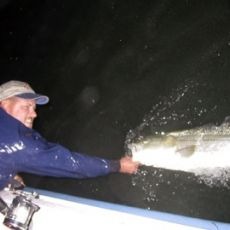
Summer Flounder Caught in Atlantic City NJ Waters
Summer Flounder Fishing in Atlantic City - What to Expect
%2F%2Fusers%2F087033c6-ea04-49a4-871d-43bbd24dea76%2Fimages%2Fatlantic-city-summer-flounder-catch-2529.jpg&w=1920&q=75)
Guided Fishing Trip by Guide Bob Paxson in April
- Top-rated Fishing Charters in Atlantic City


Summary
Join a guided fishing trip in Atlantic City on Friday, April for an unforgettable summer flounder adventure. This thrilling experience targets trophy flounders in prime NJ waters, delivering fast-paced action and incredible catches throughout your day on the Atlantic.
Guided Fishing Trip with Bob Paxson - Rates & Booking
Guide Bob Paxson of Logos Guide Service launches into Atlantic City waters on Friday, April ready to deliver high-octane flounder action. This guided fishing trip puts you on the hunt for summer flounders in their prime habitat along New Jersey's dynamic Atlantic coast. Bob brings years of local expertise targeting these aggressive feeders in productive offshore grounds. Ready to hook into the action? Contact Logos Guide Service today to lock in your dates and experience premier flounder fishing with a guide who knows every productive mark.
Highlights of Your Atlantic City Flounder Adventure
Summer flounders turn Atlantic City waters into an adrenaline-packed battleground. These powerful bottom dwellers hit hard and fight harder, delivering the kind of intense action that keeps anglers coming back. You'll experience the thrill of detecting strikes on the seafloor, feeling the weight transfer as flounders charge, and executing the hook set that launches these fish into explosive runs. Every cast presents the opportunity for a trophy-sized catch.
Atlantic City's offshore terrain creates ideal conditions for flounder hunting. The combination of structure, current breaks, and productive grounds means consistent opportunities throughout your trip. Anglers feel the energy building with each drop, knowing a monster flounder lurks below waiting to ambush your offering.
Local Species Insights: Summer Flounder
Summer flounders dominate Atlantic City's fishing landscape from spring through fall, transforming into one of the region's most sought-after game fish. These flatfish are ambush predators that hover near the bottom, using their mottled coloring to blend seamlessly with sand and mud. When prey moves overhead, flounders explode upward with stunning speed and aggression. Their feeding behavior creates explosive strike opportunities that make them addictive to target.
These fish thrive in Atlantic City's offshore waters where depths, structure, and bait concentrations align perfectly. Summer flounders hunt aggressively throughout the day, responding to live bait, cut bait, and artificial presentations. Their habitat preferences mean Bob knows exactly where to position the boat for maximum connection chances. The combination of active feeding behavior and consistent presence makes summer flounder fishing the ultimate adrenaline experience in these waters.
What makes summer flounders exceptional targets is their willingness to strike with authority. Unlike many fish species that nibble tentatively, flounders commit fully to their feeding strikes. This direct, no-hesitation approach generates the kind of heart-pounding moment every angler craves. On a guided trip with Bob, you'll experience multiple strike opportunities and the visceral thrill of connecting with these powerhouse fish in their natural environment.
Plan Your Atlantic City Fishing Day
Your guided flounder fishing trip with Bob Paxson delivers a full-day experience designed to maximize your time on productive water. Expect early morning departures to capitalize on peak feeding windows, with the boat positioned over known flounder ground where action builds quickly. The pace stays fast-moving as you target multiple productive zones throughout the day. Bob's local knowledge ensures you're fishing the right areas at the right times, staying on active fish and capitalizing on every opportunity. Bring your energy and competitive spirit - summer flounder fishing in Atlantic City demands focus and intensity that delivers unforgettable memories.
Fishing in Atlantic City: Summer Flounder
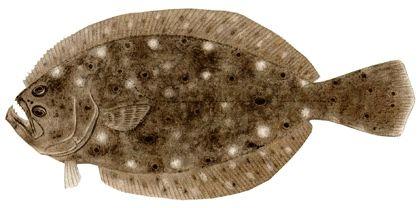
Summer Flounder Overview
The Summer Flounder, scientifically known as Paralichthys dentatus, is a fascinating flatfish species belonging to the family Paralichthyidae and order Pleuronectiformes. Known affectionately as the "chameleons of the sea," these remarkable fish are one of several sand flounders with both eyes positioned on the left side of their heads—a trait that develops as they mature from normal-looking juveniles. Summer Flounder are grayish-brown with lighter spots that provide excellent camouflage against the sandy and muddy seafloor where they spend their lives. This species is native to the Atlantic Coast and is a beloved target for anglers from Massachusetts to Florida, offering both an exciting fishing experience and excellent table fare.
Summer Flounder Habitat and Distribution
Summer Flounder are primarily found along the East Coast of the United States and Canada, thriving in waters that stretch from North Carolina to Massachusetts, with populations extending from Nova Scotia to eastern Florida. These demersal fish prefer both inshore and offshore environments, making their home in estuaries, bays, and continental shelf waters where sandy and muddy bottoms provide ideal hunting grounds. They typically occupy depths where they can effectively use their camouflage to ambush prey. The species is usually captured using bottom otter trawls, gillnets, and pound nets, indicating their preference for seafloor habitats. In popular fishing destinations along the Atlantic seaboard, Summer Flounder populations remain robust during the warmer months, with seasonal migrations influenced by water temperature and food availability.
Summer Flounder Size and Weight
The average Summer Flounder measures between 15 to 20 inches in length, though specimens can grow considerably larger, reaching up to 37 inches and weighing as much as 5 pounds. The largest recorded individuals have exceeded 26 pounds, making trophy-sized catches a genuine possibility for dedicated anglers. Female Summer Flounder typically grow larger and live longer than males, with maximum observed ages of 17 years for females and 15 years for males. Most fish you'll encounter while fishing will fall in the 15 to 20-inch range, making them ideal for both recreational catch-and-release and culinary purposes.
Summer Flounder Diet and Behavior
Summer Flounder are active ambush predators that rely on their exceptional camouflage and bottom-dwelling lifestyle to catch unsuspecting prey. These cunning hunters can rapidly change their coloring to match their surroundings, allowing them to blend seamlessly with the seafloor until an opportunity presents itself. When ambush tactics fail, they employ impressive swimming ability to chase down faster-moving prey. Their diet consists of a diverse array of bony fish including sand lance, menhaden, Atlantic silverside, mummichog killifish, and small bluefish, supplemented by invertebrates such as crabs, shrimp, and squid. Young Summer Flounder and juveniles face predation from spiny dogfish, monkfish, cod, hakes, sea raven, and longhorn sculpin, while adult fish are vulnerable to large sharks, rays, and monkfish. This natural predation helps maintain ecological balance in coastal marine ecosystems.
Summer Flounder Spawning and Seasonal Activity
Summer Flounder exhibit fascinating reproductive behavior, with peak spawning occurring during October and November when water temperatures drop and plankton abundance reaches seasonal highs. This timing is no accident—the combination of optimal water conditions and abundant food resources significantly increases survival rates for larval Summer Flounder hatching in continental shelf waters. Female Summer Flounder are remarkably prolific, producing between 460,000 to more than 4 million eggs during a spawning season. While these fish can be caught year-round, they are considerably easier to catch between September and November when they're most active and concentrated in accessible fishing areas. Spring and summer months see them more dispersed, though committed anglers can still find success with proper techniques and location knowledge.
Summer Flounder Techniques for Observation and Capture
Live Bait Method: Summer Flounder respond exceptionally well to live baitfish, making this the most effective angling approach. Use live minnows, mullet, or croakers, hooking smaller baits through the eye and larger specimens through the lips. A standard 7-foot casting rod paired with sturdy line capable of handling larger fish is the go-to setup for most anglers. Cast near structure, sandy patches, and channel edges where Flounder commonly hunt. Around coastal cities like Montauk, New York and similar Atlantic fishing hubs, targeting deeper channels during tidal changes often yields impressive results.
Natural Bait Alternative: Sea worms and clams are also effective attractants that Summer Flounder find irresistible. Use a circle hook, as these are easier for Flounder to properly bite, improving your hook-up ratio significantly. A sinker may be necessary to keep your bait within reach of bottom-dwelling Flounder, particularly in deeper offshore waters.
Timing and Location Strategy: Fish during slack tide or early in the tidal change when Flounder are most actively feeding. Target sandy and muddy bottom habitats in 15 to 60 feet of water, adjusting depth based on seasonal migration patterns. The fall migration (September through November) concentrates fish in predictable locations, making this the optimal season for consistent success.
Summer Flounder Culinary and Utilization Notes
Summer Flounder possess excellent food quality and are highly prized for their delicate, flavorful white flesh. The meat is lean and mild, making it suitable for a wide variety of culinary preparations including pan-frying, baking, steaming, and poaching. Their flat body structure yields beautiful fillets with minimal waste. Nutritionally, Summer Flounder provide excellent protein, omega-3 fatty acids, and essential minerals. It's important to note that a permit is required for the commercial sale and purchase of Summer Flounder, supporting sustainable fishery management along the Atlantic Coast. Recreational anglers can keep legal-sized fish for personal consumption, contributing to both food security and connection with coastal traditions.
Summer Flounder Frequently Asked Questions
Q: What is the best bait for catching Summer Flounder?
A: Live baitfish such as minnows, mullet, and croakers are highly effective, as are sea worms and clams. Hook smaller baits through the eye and larger ones through the lips. Circle hooks are recommended because they're easier for Flounder to bite securely.
Q: Where can I find Summer Flounder near major fishing cities?
A: Summer Flounder are abundant along the entire Atlantic Coast from North Carolina to Massachusetts. Popular spots include estuaries, bays, and offshore channels. Around cities like Boston, New York, and Wilmington, look for sandy and muddy bottom habitats in 15 to 60 feet of water during the September through November migration season.
Q: Is Summer Flounder good to eat?
A: Absolutely! Summer Flounder have excellent food quality with delicate, flavorful white flesh that's lean and versatile. They're suitable for pan-frying, baking, steaming, or poaching, and provide excellent nutrition including protein and omega-3 fatty acids. A permit is required for commercial sale, but recreational anglers can keep legal-sized fish for personal consumption.
Q: When is the best time to catch Summer Flounder?
A: While catchable year-round, Summer Flounder are easiest to catch between September and November during their fall migration. Spring and summer require more effort, but success is still possible for patient anglers. Peak spawning occurs in October and November when fish are most concentrated and active.
Q: What fishing gear setup do I need for Summer Flounder?
A: A standard 7-foot casting rod paired with sturdy line capable of handling larger fish is the recommended setup. Use circle hooks for better hook-ups, and include a sinker to keep your bait near the bottom where Flounder hunt. Adjust sinker weight based on water depth and current strength.
Q: Why are Summer Flounder called "chameleons of the sea"?
A: Summer Flounder have the remarkable ability to rapidly change their coloring to match the texture and color of the bottom where they live. This exceptional camouflage allows them to blend invisibly with the seafloor, giving them a significant advantage when ambush hunting for prey. This adaptive capability is why anglers sometimes see them practically vanish against sandy or muddy backgrounds.